My Guide to the Best Indoor Tall House Plants
I’ll never forget the day I brought home my first truly tall houseplant. It was a six-foot Bird of Paradise, and I had to awkwardly angle it into the back of my car, praying I wouldn’t snap a leaf. Getting it up the stairs to my apartment was a workout, but when I finally placed it in the empty corner of my living room, everything changed. The room, which had always felt a bit sterile and impersonal, suddenly had a soul. It had life. That single plant transformed the entire space, making it feel like a lush, tropical escape.
That experience hooked me for life. There's a unique magic to large, vertical plants that small potted herbs or succulents just can't replicate. They draw the eye upward, make ceilings feel higher, and serve as living sculptures. Over the years, I've filled my home with these green giants, and I've learned a ton along the way—mostly through trial and error. I’ve celebrated the unfurling of massive new leaves and mourned the dramatic death of a finicky Fiddle Leaf Fig.
If you’re looking to make a real statement in your home, you’ve come to the right place. I’m going to walk you through my absolute favorite choices for the best indoor tall house plants, from the nearly indestructible to the breathtaking divas. We'll cover everything you need to know to pick the right one and, more importantly, how to help it thrive.
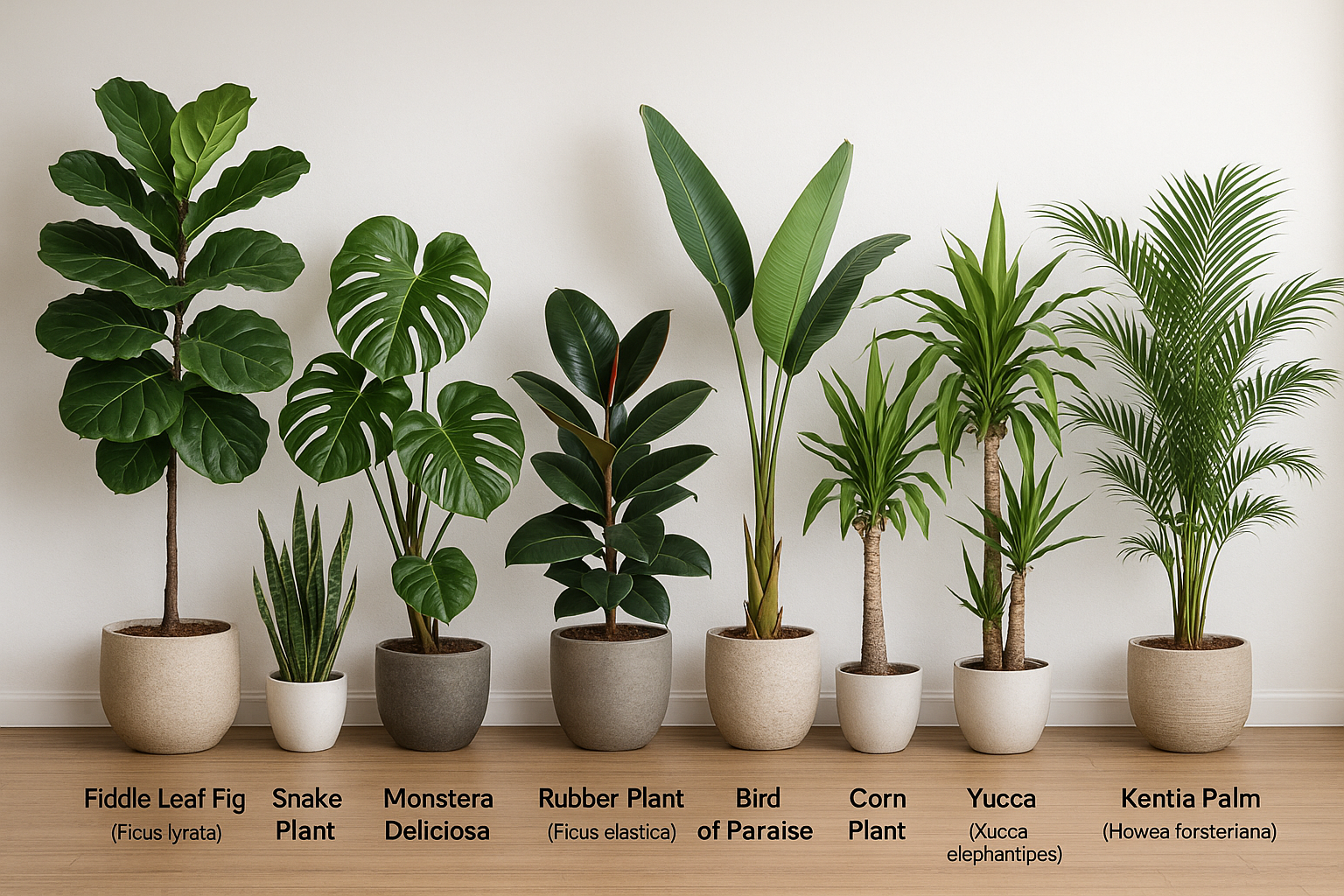
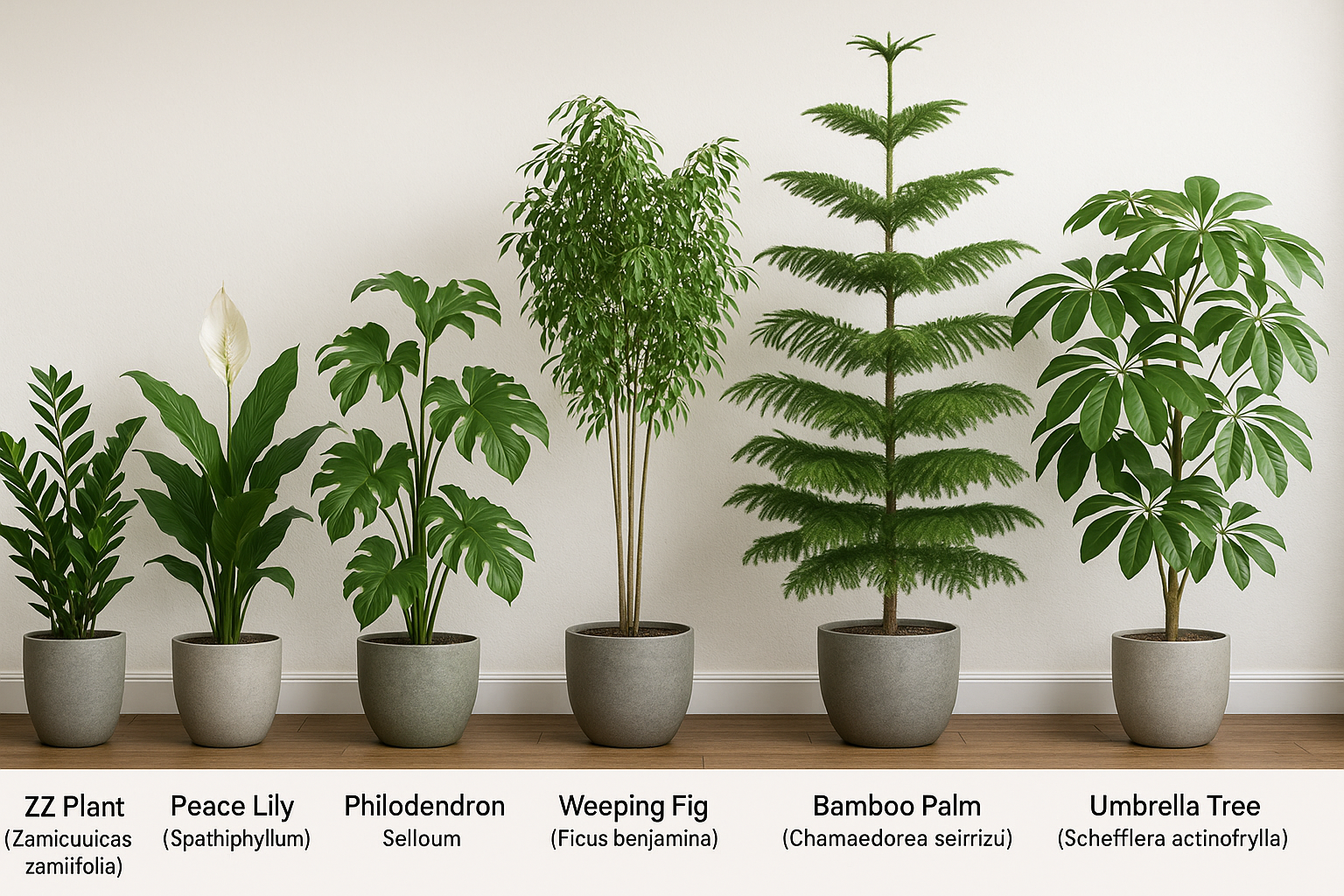
Why a Tall Plant is More Than Just Decor
Before we dive into the specific plants, let's talk about why you should even consider bringing a giant plant indoors. It’s about so much more than just filling a corner.
- The Ultimate "Wow" Factor: Nothing anchors a room like a tall plant. It’s a natural focal point that adds texture, color, and architectural interest. Forget spending a fortune on art; a magnificent Kentia Palm is a living masterpiece.
- They Make You Feel Better: I always feel calmer and more focused when I’m surrounded by my plants. It’s not just in my head; researchers have found that having plants in your home or office can significantly reduce stress and anxiety. They create a sense of sanctuary, a little piece of nature carved out just for you.
- They Literally Clear the Air: You've probably heard about plants being natural air purifiers, and it's true. While you’d need a jungle to fully replicate an air purifier, studies, including the famous one by NASA, have shown that houseplants can remove common indoor toxins from the air. If your skin gets painfully dry every winter when the heat is on, a few large plants can make a huge difference. They act like natural, silent humidifiers.
Finding Your Perfect Green Roommate: What to Consider
I get it—the idea of caring for a huge plant can be intimidating. My first one felt like bringing home a new pet. But success really just comes down to matching the right plant to the right environment. Before you fall in love with a plant at the nursery, ask yourself these questions.
Let There Be Light (The Most Important Rule)
This is the number one, non-negotiable factor. I learned this the hard way when I tried to keep a sun-loving Fiddle Leaf Fig in a dim corner. It was a slow, sad decline. Take an honest look at your space throughout the day.
- Bright, Indirect Light: This is the holy grail for most houseplants. It means a spot near an east-facing window, or a few feet back from a south or west-facing window. The plant gets lots of light, but the sun's rays aren't hitting the leaves directly and scorching them.
- Medium Light: This is a spot that's further into a bright room or near a north-facing window. The plant has a wide view of the sky but gets no direct sun at all.
- Low Light: This means a corner far from a window, a hallway, or a room with a small, obstructed window. Be honest—very few "low-light" plants can survive in a windowless bathroom. They tolerate low light; they don't love it.
Measure Twice, Buy Once: Thinking About Scale
A six-foot plant might look perfect in the vast, open space of a nursery, but it can quickly overwhelm a small apartment. Get out a tape measure. How much floor space can you dedicate? How high are your ceilings? Remember that the plant will grow, so plan for its future size, not just its current one. Think about the width, too. A Monstera can easily spread five or six feet wide, while a Snake Plant stays neatly vertical.
Be Honest: What's Your Plant Parent Style?
Are you the type who loves to fuss over your green friends daily, or are you a bit more "set it and forget it"? There's no shame in either! The key is choosing a plant that matches your personality.
- Beginner-Friendly: These are the tough-as-nails plants that can handle a little neglect. They bounce back if you forget to water them and aren't picky about their conditions. Think Snake Plants or ZZ Plants.
- The Divas: These are the stunning, show-stopping plants that demand your attention. They have very specific light, water, and humidity needs. One wrong move and they'll let you know by dropping leaves. This is your Fiddle Leaf Fig or your indoor Olive Tree.
A Quick Word on Pets and Kids
As a dog owner, this is always on my mind. Many beautiful houseplants are toxic if ingested by cats, dogs, or curious toddlers. Before you bring a plant home, a quick search is essential. The ASPCA has an exhaustive and searchable plant list that I consult constantly. It’s my go-to resource for peace of mind. If you have pets or kids, it's always safest to choose a non-toxic option or place toxic plants well out of reach.
My Personal Hall of Fame: The Best Indoor Tall House Plants
Alright, let's get to the fun part. I’ve grown, loved, and sometimes killed my fair share of plants. This list represents my tried-and-true favorites, the ones that consistently deliver that "wow" factor.
The Tropical Superstar: Bird of Paradise (Strelitzia nicolai)
This is my number one recommendation for anyone wanting a lush, tropical vibe. Its massive, banana-like leaves create an incredible canopy. My living room corner is home to a seven-foot beauty, and watching a new leaf slowly unfurl is one of my greatest joys.
- Light: These guys are sun-worshippers. They need a lot of bright, indirect light and can even handle a few hours of direct morning sun. A spot right by a south or west-facing window is ideal.
- Water: I let the top two to three inches of soil dry out completely before giving it a thorough soaking. They are thirsty in the summer but need much less water in the winter.
- My Pro-Tip: The leaves will naturally split as they mature—this is totally normal and helps them withstand wind in their native habitat! Don't panic. Also, I wipe down the leaves with a damp cloth once a month. It keeps them glossy and helps the plant breathe.
- Pros: Relatively fast-growing, creates a huge impact, surprisingly resilient.
- Cons: Toxic to pets, needs a lot of light to thrive.
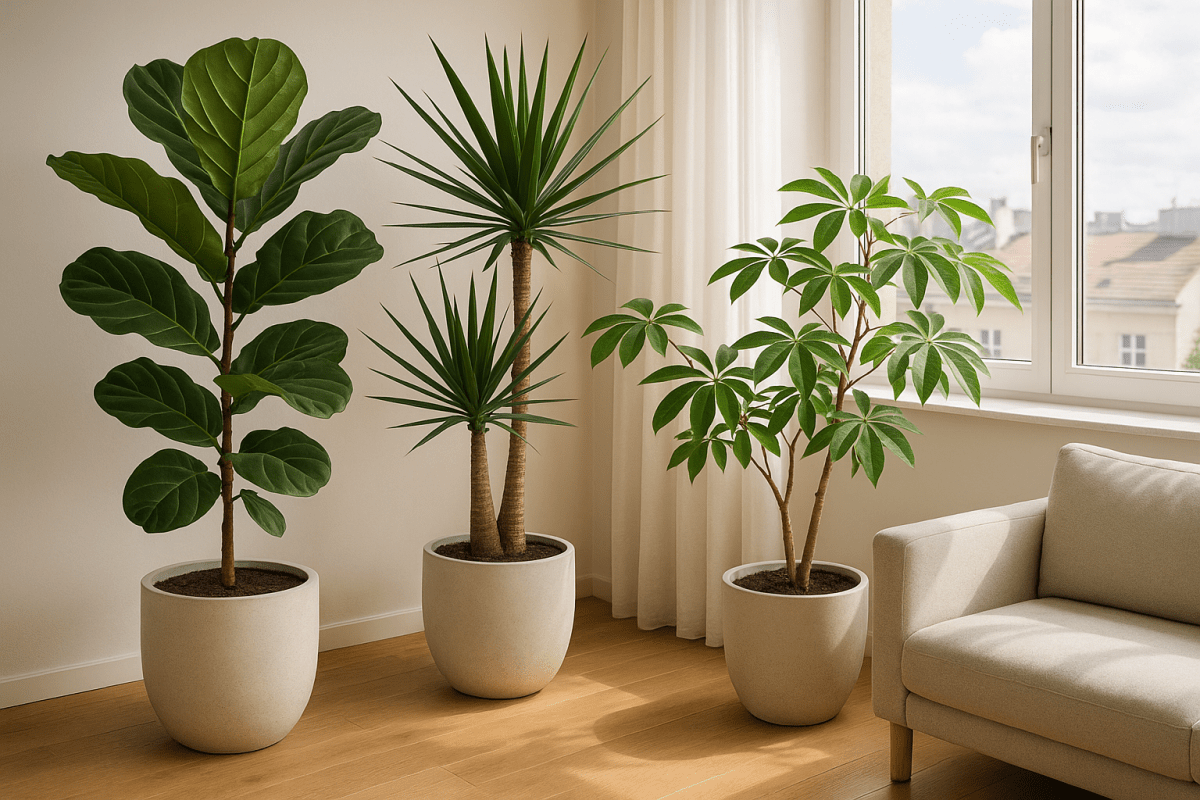
The Unkillable Classic: Snake Plant (Dracaena trifasciata)
If you think you have a "black thumb," the Snake Plant is here to prove you wrong. I’ve had one in a low-light hallway for years that I sometimes forget about for a month, and it still looks perfect. Their stiff, upright leaves provide a modern, architectural look.
- Light: This is the Snake Plant's superpower. It prefers medium to bright indirect light but will tolerate very low light conditions better than almost any other plant.
- Water: This is where most people go wrong. They are succulents, so they are extremely prone to root rot. I water mine maybe once a month in the summer and even less in the winter. Seriously, when in doubt, don't water it.
- My Pro-Tip: To get them to grow tall and full, group several smaller plants together in one larger pot. They like to be a bit root-bound, so don't be in a rush to repot.
- Pros: Nearly indestructible, amazing for beginners, excellent air purifier, tolerates low light.
- Cons: Very slow-growing, toxic to pets.
The Swiss Cheese Icon: Monstera Deliciosa
The Monstera is the darling of Instagram for a reason. Its iconic, fenestrated (split) leaves are just plain cool. It doesn't grow straight up so much as it grows up and out, so you need to give it room to spread.
- Light: It loves bright, indirect light. Not enough light, and you won't get those beautiful splits in the leaves. Too much direct sun will scorch them. An east-facing window is perfect.
- Water: Water thoroughly when the top couple of inches of soil are dry. They'll droop a little when they're thirsty, which is a helpful signal.
- My Pro-Tip: This plant is a natural climber. To encourage it to grow upwards and develop bigger, more mature leaves, you have to give it a moss pole to climb. I gently tie the stems to the pole with plant tape as it grows. It's a game-changer.
- Pros: Iconic look, relatively fast-growing, communicates its needs clearly.
- Cons: Needs a lot of horizontal space, toxic to pets, requires support to grow tall.
The Drama Queen: Fiddle Leaf Fig (Ficus lyrata)
Ah, the Fiddle Leaf Fig. No plant list is complete without it. They are breathtakingly beautiful, with huge, violin-shaped leaves. They are also notoriously fussy. My first one was a disaster, but my current one is thriving because I finally learned its secrets.
- Light: Non-negotiable: tons of bright, consistent, indirect light. They hate being moved, and they hate drafts. Find the perfect spot (usually near a big, bright window but not in the sun's path) and leave it there forever.
- Water: Consistency is key. Water thoroughly when the top inch or two of soil is dry, and let it drain completely. They do not like "wet feet." I use a moisture meter for this one to be extra sure.
- My Pro-Tip: They are prone to brown spots from inconsistent watering and spider mites. I prevent mites by wiping the leaves (top and bottom) with a damp cloth every couple of weeks. To encourage a fuller, tree-like shape, you can try "notching"—making a small, shallow cut just above a node on the main trunk to stimulate new branching. It feels scary, but it works!
- Pros: Unmatched sculptural beauty, the ultimate statement plant.
- Cons: Extremely finicky, prone to pests and leaf drop, toxic to pets. Not for beginners.
The Gentle Giant: Ficus Audrey (Ficus benghalensis)
If you love the look of a Fiddle Leaf Fig but are terrified of the drama, meet its kinder, gentler cousin. The Ficus Audrey has beautiful, velvety, oval-shaped leaves and a much more forgiving nature. It has a similar light, tree-like form but is way less likely to throw a tantrum if you look at it wrong.
- Light: It still needs bright, indirect light, but it's less prone to scorching or dropping leaves than the Fiddle Leaf.
- Water: Similar to its cousin, let the top couple of inches of soil dry out before watering. It's more resilient to slight inconsistencies, though.
- My Pro-Tip: These can get a bit leggy. Don't be afraid to prune the top to encourage it to branch out and become bushier. You can easily propagate the cuttings in water to make more plants!
- Pros: Much easier than a Fiddle Leaf Fig, beautiful velvety leaves, elegant tree-like shape.
- Cons: Still a Ficus, so it doesn't love being moved. Toxic to pets.
The Dark and Handsome: Rubber Plant (Ficus elastica)
The Rubber Plant was one of my first "big" plants, and I still love its moody, dramatic look. The classic variety has deep, glossy, burgundy-black leaves, but you can also find them in variegated pinks and greens. They are sturdy, reliable growers.
- Light: They are quite adaptable. They'll be happiest in bright, indirect light, which will also bring out the best color in their leaves. However, they can tolerate medium-light conditions quite well, they'll just grow more slowly.
- Water: Let the soil dry out partially between waterings. They are pretty good at telling you what they need—droopy leaves mean thirsty, yellowing lower leaves mean too much water.
- My Pro-Tip: The big, beautiful leaves can get really dusty. I make it a habit to wipe them down with a microfiber cloth and a little bit of water. It makes a huge difference in how they look and helps them photosynthesize efficiently.
- Pros: Very easy to care for, dramatic color, relatively fast-growing.
- Cons: The milky sap can be irritating to skin and is toxic to pets.
The Low-Light Champion: ZZ Plant (Zamioculcas zamiifolia)
Alongside the Snake Plant, the ZZ Plant is a top contender for the most indestructible houseplant on the planet. Its glossy, dark green leaves grow on long, graceful wands. It stores water in underground rhizomes, which is why it's so incredibly drought-tolerant.
- Light: It will grow faster in medium to bright indirect light, but it's famous for its ability to survive in very low light. I have one in a corner of my bedroom far from a window, and it's perfectly happy.
- Water: This is the most important part: do not overwater it. I water mine maybe every 4-6 weeks, waiting until the soil is bone dry all the way through. It would much rather be too dry than too wet.
- My Pro-Tip: If you want a taller, more impressive specimen faster, buy a pot that already has 5-6 or more stalks. They are slow growers, so starting with a more mature plant gives you an instant impact that will last for years with minimal effort.
- Pros: Extremely low-maintenance, tolerates deep shade, drought-tolerant, looks polished and modern.
- Cons: All parts are toxic to pets and humans if ingested, very slow-growing.
The Elegant Palm: Kentia Palm (Howea forsteriana)
If you're dreaming of that classic, elegant, Victorian parlor look, the Kentia Palm is your plant. Its graceful, arching fronds are incredibly beautiful and it's one of the most adaptable indoor palms. They are an investment, but their slow growth and resilience make them worth it.
- Light: They are one of the best palms for lower light conditions, thriving in medium indirect light. They will burn in direct sun.
- Water: Water when the top inch of soil is dry. They don't like to dry out completely, but they also hate sitting in water.
- My Pro-Tip: The tips of the fronds can sometimes get brown and crispy, which is usually a sign of dry air or tap water with too many minerals. I use filtered water for mine, and I keep a small humidifier nearby during the winter months. You can just snip the brown tips off with clean scissors.
- Pros: Extremely elegant, pet-safe, and one of the best palms for lower-light homes.
- Cons: Expensive, slow-growing, susceptible to spider mites if the air is too dry.
Your Tall Plant Care Toolkit: Pro-Tips for Happy Giants
Caring for a large plant is mostly the same as caring for a small one, but its size presents a few unique challenges. Here are the tricks I've learned to keep my big plants happy without throwing out my back.
The Art of Repotting (Without Breaking Your Back)
Your plant will eventually need a bigger pot, usually every two to three years. Don't go too big—choose a pot that's only 2-4 inches wider in diameter than the current one.
- The Team Lift: For truly massive plants, don't be a hero. Get a friend to help you.
- The Tip and Slide: I lay down an old tarp or sheet. Then, I gently tip the plant on its side and try to slide the pot off the root ball. If it's stuck, a few firm taps around the sides of the pot can help loosen it.
- My Secret Weapon: I bought a small, wheeled plant dolly for my heaviest plants. It's a lifesaver. I can easily rotate the plant for even light exposure and move it for cleaning without any heavy lifting.
Watering: The Golden Rule I Swear By
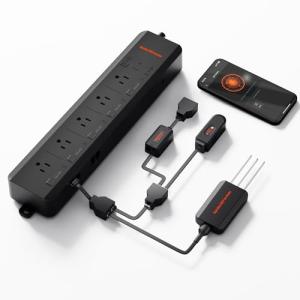
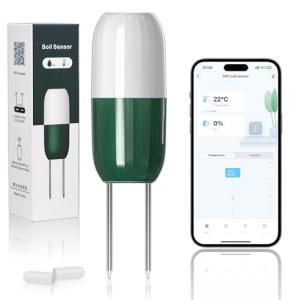
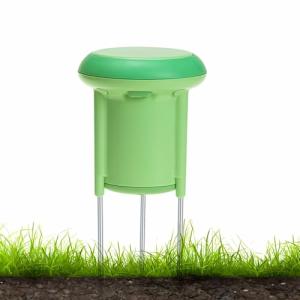
The single biggest killer of houseplants is overwatering. Before you even think about watering, stick your finger two inches deep into the soil. Is it damp? Walk away. Is it dry? Time to water. For my giant pots, I pour water slowly and evenly over the soil surface until it starts to run out of the drainage hole at the bottom. This ensures the entire root ball gets a drink. And if you have no idea, just insert on of our bluetooth smart soil sensor, it wlll take all the guess owrk out.
To Feed or Not to Feed?
Large plants are working hard and need food during their growing season (spring and summer). I use a balanced, liquid indoor plant fertilizer diluted to half-strength once a month from March through September. I stop feeding entirely in the fall and winter when the plant's growth naturally slows down.
Pruning for Health and Beauty
Pruning isn't just for aesthetics; it keeps your plant healthy. I always keep a small, sharp pair of floral snips right next to my watering can. That way, I can snip off any yellowing or brown leaves the moment I spot them, which keeps the plant looking clean and prevents it from wasting energy on dying foliage. For plants like a Ficus or Rubber Plant, selective pruning can also encourage bushier, fuller growth.
Unwanted Guests: Dealing with Pests
Even the healthiest plants can get pests. The key is to catch them early. Once a month, I do a close inspection of my plants, checking the undersides of leaves and where the leaf meets the stem. The most common culprits are:
- Spider Mites: Tiny webs are the tell-tale sign. They hate humidity. I treat them by wiping the leaves down and regularly misting the plant.
- Mealybugs: They look like little bits of white cotton. I dip a cotton swab in rubbing alcohol and dab them off individually.
Your Tall Plant Questions, Answered
What is the fastest-growing tall indoor plant? In my experience, if given enough light, a Monstera Deliciosa or a Bird of Paradise can grow surprisingly fast, putting out new leaves every few weeks during the growing season. A Ficus Audrey is also a speedy grower.
Can I really grow a tall plant in a low-light corner? Yes, but your options are more limited. Your absolute best bets are the Snake Plant (Dracaena trifasciata) and the ZZ Plant (Zamioculcas zamiifolia). They will tolerate low light beautifully. A Kentia Palm can also handle shadier spots better than most palms.
How do I move a giant houseplant without damaging it? For a big move to a new home, I recommend using a dolly or hand truck. Wrap the pot securely and, if possible, gently wrap the foliage in burlap or an old sheet to protect the leaves from getting snapped during transport. For just moving it across the room, a wheeled plant caddy is your best friend.
How often should I repot my tall indoor plant? Most tall, slow-growing plants like palms and snake plants only need repotting every 3-4 years, or when they become severely root-bound. Faster-growing plants like Monsteras or Ficus trees might need it every 1-2 years. A good sign is when you see roots coming out of the drainage holes or the plant stops growing during the growing season.
Are tall plants a lot more expensive? Generally, yes. The price is directly related to the size and maturity of the plant. A six-foot Fiddle Leaf Fig took a grower years to cultivate, so it costs significantly more than a 6-inch starter plant. Think of it as an investment in a piece of living furniture.
Bringing a tall plant into your home is a commitment, but it's one of the most rewarding things you can do for your space. There's a deep satisfaction in watching something you care for grow and transform a room. It connects you to the natural world in a powerful way.
Don't be afraid to start. Pick a plant from this list that matches your light and your lifestyle, and give it a try. Your home will thank you for it.
Now I'd love to hear from you. What's your favorite tall houseplant? Share your own stories and tips in the comments below!